THE COOL WAY TO LIVE
SertSolar is your Trusted Solar Solutions Provider for Homes, Businesses, and Industries
#1 in South Luzon Region
With nationwide presence
5MW+ Installed Capacity
Plus more in the pipelines
9,000+ Solar Panels Installed
More establishments to benefit
At SERT SOLAR, we believe that energy independence starts with smart choices. Backed by the innovation and reliability of SERT Technology, we provide high quality solar panel systems tailored for residential, commercial, and industrial use across the Philippines.
We don’t just install solar panels—we deliver peace of mind, lower electricity bills, and long-term sustainability. Whether you’re looking to power a family home, reduce operating costs in your business, or future-proof an industrial facility. Sert Solar is ready to help.
SERT SOLAR is your dependable partner in renewable energy.
- Customized Solar Solutions
- Expert Engineering and Installation
- Exceptional After-Sales Support
Produce
Store
optimize
How It Works
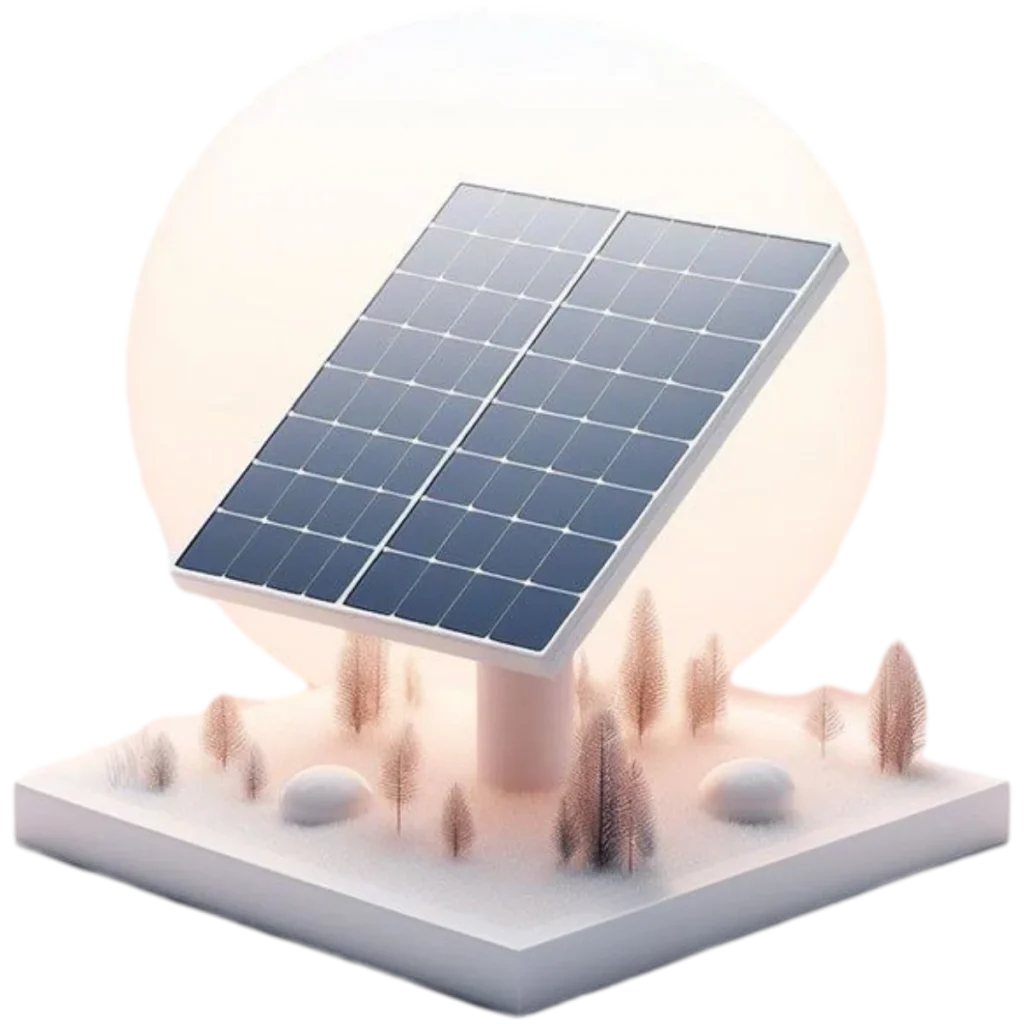
Solar panels generate a direct current of electricity. This is then passed through an inverter to convert it into an alternating current, which can be fed into the National Grid or used by the home or business that the solar panels are attached to.
Frequently Asked Questions
Answers to help you
The cost of a solar PV system varies depending on its size and capacity. It is best to contact a SERT SOLAR representative to find the system best suited to your needs.
We want to make solar energy more accessible to every Filipino by offering various payment options, including cash, installment via credit card, and post-dated checks.
The number of solar panels needed for a house depends on several factors, including the size of the house, the amount of electricity used, and the available space for the panels. It would be best to consult with a SERT SOLAR representative to determine the specific number of panels needed for your home. They will take into account factors such as your energy consumption, sun exposure, and local climate conditions to give a more accurate estimate.
Solar power works by capturing the energy from the sun and converting it into electricity. This is done using solar panels, which are made up of photovoltaic cells. These cells convert the energy from the sun into direct current (DC) electricity. The DC electricity is then sent through an inverter, which converts it into alternating current (AC) electricity that can be used in homes and businesses. The AC electricity is then sent to the electric grid, where it can be used by others, or it can be stored in batteries for later use.
A grid-tied solar pv system, also known as grid-connected or “on-grid system”, is a type of solar pv system that is connected to the electrical grid. Designed for daytime use, it allows households to use solar energy when available. If the solar panels do not generate enough power to meet household demand, the system automatically supplements the shortfall by drawing electricity from the grid.
A hybrid solar system, also known as a “grid-tie with battery backup” system, is a type of solar power system that combines the features of a grid-tied system with the added benefit of a battery backup. Hybrid systems also include a battery/power wall that stores the excess electricity generated by the solar panels for use during times when the solar panels are not producing enough electricity or during a power outage.
The installation varies depending on several factors, including the accessibility of the site, and weather conditions. A usual residential solar power system will only take 1 – 2 days to install.
Net Metering is a law that allows owners of Solar PV System to sell their excess power to the Distribution Utility (e.g. Meralco). Net Metering lets homeowners earn bill credits for every watt of excess solar energy they send back to the grid. These payments allow the homeowner to dramatically reduce, or even eliminate, their utility usage charges.
Net metering is processed through the Distribution Utility (e.g., Meralco) and the Local Government Unit (LGU). After inspection and approval, your meter will be upgraded to a bi-directional meter, which measures both electricity consumption and excess power exported to the grid. The processing time for a net metering application varies depending on your LGU and the specific branch of your distribution utility
Request ocular inspection
Get a FREE solar assessment and quote.